
How Do I Find My Art Style
Finding your art style can be a process of trial and error; it is important to practice and experiment with different mediums, tools and techniques in order to develop a style that is unique to you.

Finding your art style can be a process of trial and error; it is important to practice and experiment with different mediums, tools and techniques in order to develop a style that is unique to you.

Practicing art everyday is a great way to keep up your creative energy and remain inspired; setting aside a regular time and space in your day to create artwork can help to ensure that you stay on top of your craft.
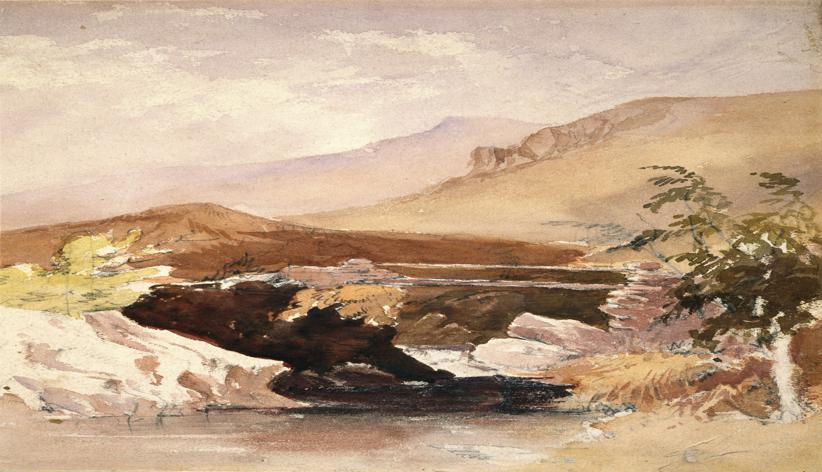
Practicing art requires dedication; it is recommended to practice at least 3-5 hours per week to build skill and progress. It is important to maintain a consistent practice schedule to successfully improve.

The 100 day challenge art is a creative project where an artist challenges themselves to create 100 pieces of art in 100 days. It is a great way to push creative boundaries and explore artistic freedom.

Sketching is a quick, expressive way to create art, emphasizing shape and value to convey ideas without worrying about precise details. Drawing is a slower, more precise process that involves shading, line, and detail to accurately depict a subject or create an image.
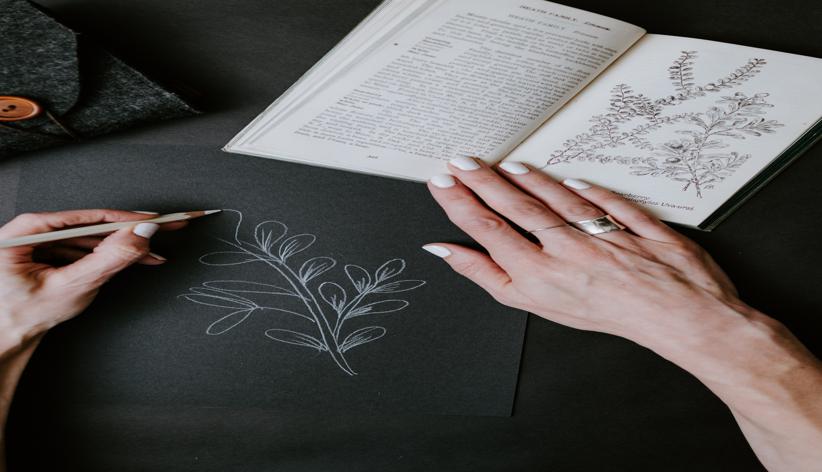
Yes, learning sketching is a great way to improve your drawing skills. Practicing by sketching regularly can help you to become a better artist.

The 5 basic skills of drawing are observation, construction, light and shadow, perspective, and rendering. These skills help an artist express ideas visually through their drawings by breaking down larger compositions into simpler principles.
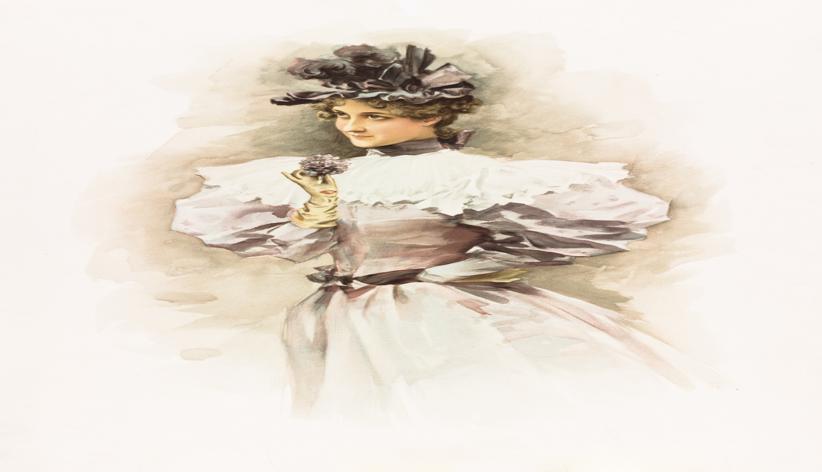
Mindful art is an art practice focused on activities and exercises that increase mindfulness, such as drawing, painting, coloring, and photography. It encourages creative expression while building self-awareness and connection to the world around us.
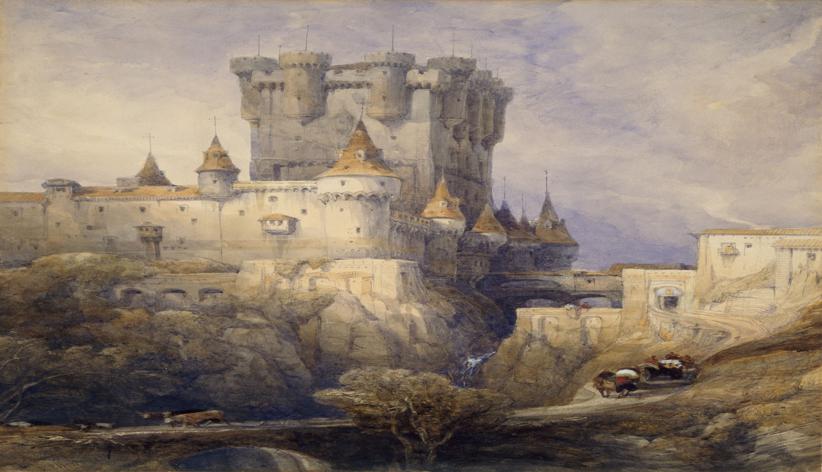
Zen and art is a combination of Eastern and Western philosophies that seek to foster an appreciation for the beauty and natural harmony of the world. It incorporates elements of mindfulness and meditation from Buddhism to create a meaningful and uplifting experience.

Childish art is also known as naive art and it is characterized by its artless simplicity and childlike usage of color, line and form. It is often appreciated for its individualistic, often unschooled expression of emotions or ideas.